




Answers to Frequently Asked Questions About the Fully Implanted Cochlear Implant
In the first part of our TICI UNICO article, we covered the fundamentals of the world’s first fully implanted cochlear implant. But how does a cochlear implant work without any external components? And which patients may be candidates for this new solution? Here are the key facts that help ENT specialists counsel their patients.
How does the microphone of a fully implanted cochlear implant work?
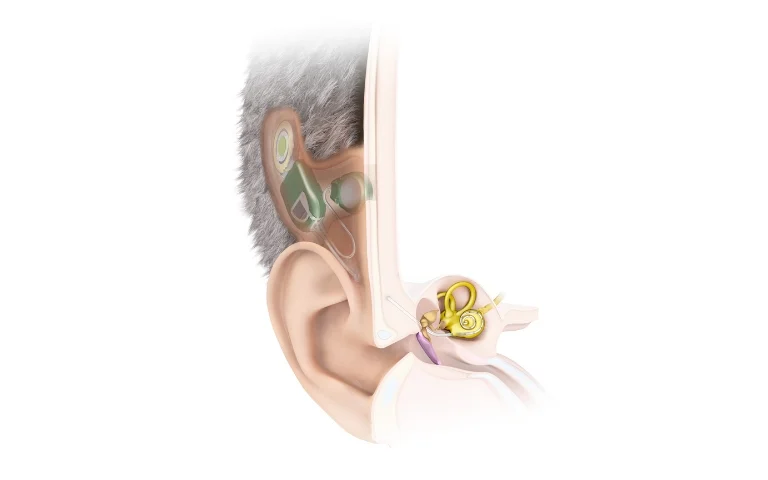
The implanted microphone was one of the greatest technological challenges in developing TICI UNICO. Located beneath the skin, it must reliably capture sound while delivering hearing performance comparable to that of conventional cochlear implants that use an externally worn microphone.
In clinical investigations and the feasibility study, speech understanding outcomes were shown to be comparable to those achieved with conventional cochlear implant systems. This marked a major milestone in overcoming one of the key challenges to creating a fully implanted cochlear implant.
Find a summary of the feasibility study on the hearbetter website.
Who is a candidate for TICI UNICO?
TICI UNICO was developed for individuals with severe-to-profound sensorineural hearing loss who no longer receive sufficient benefit from hearing aids.
As with conventional cochlear implants, candidacy is determined on an individual basis by a specialised implant team. In addition to audiological criteria, personal needs and expectations regarding a fully implanted hearing solution are also taken into account.

Are there additional benefits of TICI UNICO?
Yes. TICI UNICO provides more than just uninterrupted hearing. As no external parts are required, users do not need to manage or think about their audio processor. They need not worry about losing or damaging it. In addition, users can decide for themselves whether and when to disclose their hearing loss to others. For many people, this freedom of choice is an important aspect of quality of life.
How does TICI UNICO affect the future of cochlear implants?
For decades, a totally implantable cochlear implant was considered a technological vision. With TICI UNICO, that vision has become reality.
TICI UNICO’s development reflects the trend in hearing care to personalise hearing solutions. TICI UNICO does not replace conventional CIs, but expands the range of options available to candidates, helping clinicians match different lifestyles and personal preferences with the most appropriate solution.
Is TICI UNICO relevant for society?
According to the World Health Organization (WHO), more than 1.5 billion people worldwide live with hearing loss, with numbers expected to rise as populations age.
Innovations such as TICI UNICO demonstrate the ongoing advancements of hearing implant technology and highlight the increasing importance of patient-centred care. An invisible hearing solution may also encourage more people to seek treatment, particularly those who have previously refrained from using hearing technology because of aesthetic concerns or fear of social stigma.
Will TICI UNICO replace conventional cochlear implants?
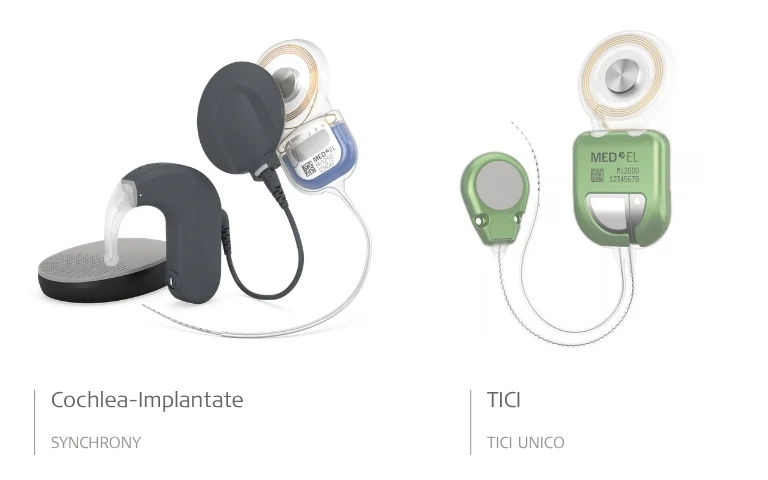
No. TICI UNICO is not intended to replace existing cochlear implant systems. Instead, it adds another option for candidates who prefer a fully implanted and completely invisible solution.
Audiological and medical criteria and personal preferences will determine the most suitable treatment option for individuals.
Key Facts at a Glance
- The subcutaneous microphone delivers hearing performance comparable to that of conventional cochlear implant systems.
- TICI UNICO is intended for individuals with severe-to-profound sensorineural hearing loss who meet cochlear implant candidacy criteria.
- The system expands the range of options available within cochlear implant care, supporting a more personalised approach to hearing rehabilitation.
Learn more about TICI UNICO: In Part 1 of our series, we answer common questions about the TICI, its practical everyday benefits, 24/7 hearing, and the key differences between TICI UNICO and conventional cochlear implants.
Practical hearing‑implant insights for your ENT or Audiology practice.
Stay up to date with clear information on candidacy basics, real‑world patient stories, and relevant updates from the field of cochlear and other hearing implants.
Our newsletter keeps you informed about trends in hearing implantology that are relevant for your daily work.