






Indications
- Severe to profound sensorineural hearing loss
- Unilateral, bilateral
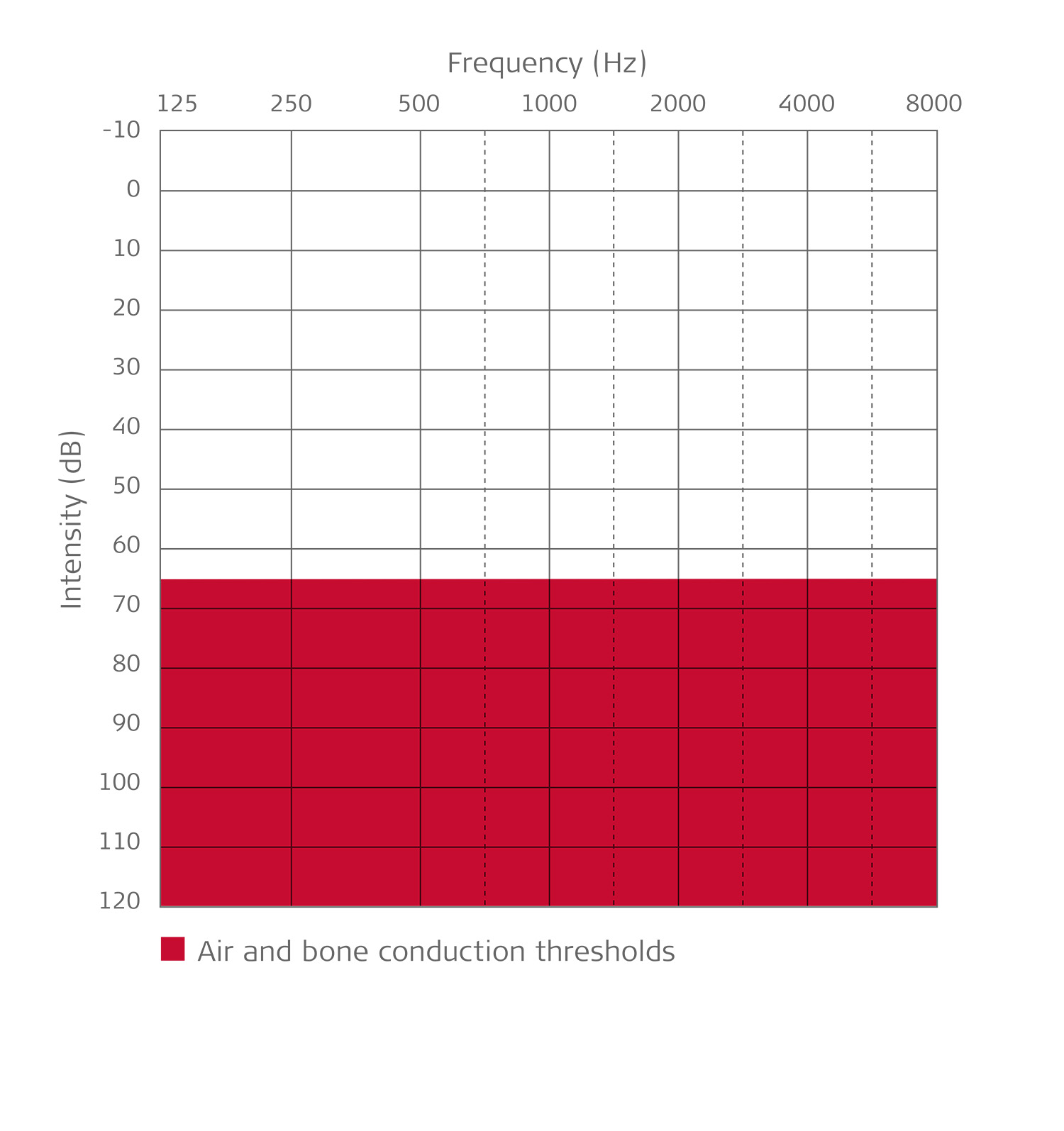
- Hearing threshold 65 dB across all frequencies for air and bone conduction. See chart
- Intact, functioning auditory nerve
- Where appropriate, prior use of optimally fitted hearing aids
- Minimal or no benefit from acoustic amplification
- Realistic expectations
- Willingness to do rehabilitation
Key features of the SYNCHRONY Cochlear Implant System
Choice of audio processors
*Unless required for diagnostic reasons.

Sam: Experience with the Cochlear Implant
Experience with the Cochlear Implant
Sam’s hearing progressively deteriorated in his teenage years, and he started wearing hearing aids. After some years, however, he did not derive enough benefit from them and stopped using them altogether for five years.
After five years of relying on lip-reading, Sam realized that his hearing was too poor for his professional life. After extensive research, he decided to get a cochlear implant.

Find a nearby Specialist

Follow us on LinkedIn
Practical hearing‑implant insights for your ENT or Audiology practice.
Stay up to date with clear information on candidacy basics, real‑world patient stories, and relevant updates from the field of cochlear and other hearing implants.
Our newsletter keeps you informed about trends in hearing implantology that are relevant for your daily work.
Information about MED-EL’s privacy policy can be found
here.