








SCIENCE UPDATE
New scientific studies summarized for you
Hearing Loss Prevention Across the Lifespan: Evidence-Based Strategies for Clinical Practice
(Original title: “Otological prevention—the key to lifelong hearing health”, Krumpoeck P. E. et al., HNO, 2026)
Otological prevention – the key facts at a glance:
- Targeted preventive measures at every stage of life can often prevent hearing loss or significantly reduce its impact.
- ENT (ear, nose, and throat) practices play a central role in this process, from counseling and early detection to treatment.
Background: How common is hearing loss – and what can be done about it?
Hearing loss affects around 1.5 billion people worldwide and has far-reaching consequences for communication and overall health. A substantial proportion of cases is potentially avoidable through systematic preventive interventions.
Objective
To provide an overview of evidence-based strategies for preventing hearing loss across all stages of life and translate them into practical recommendations.
Methods
Narrative review based on current clinical guidelines, systematic reviews, and epidemiological and clinical studies.
Key findings
1. Pre- and perinatal prevention
- Maternal immunization (e.g. MMR) significantly reduces the incidence of congenital infections associated with sensorineural hearing loss
- Cytomegalovirus (CMV) is the leading non-genetic cause of congenital hearing loss
- Early virological diagnosis (within 21 days postpartum) is critical for therapeutic decision-making and follow-up
2. Early detection in infancy
- Universal newborn hearing screening (UNHS) constitutes diagnostic standard
- Adherence to “1–3–6” protocol for improved outcomes: screening ≤1 month, diagnosis ≤3 months, intervention ≤6 months
- Early intervention, including cochlear implantation when indicated, for better outcomes
3. Vaccination
- Routine immunization effectively prevents hearing loss secondary to viral and bacterial infections
- Key pathogens include measles, mumps, Haemophilus influenzae type B, Streptococcus pneumoniae, and Neisseria meningitidis
4. Prevention in adulthood
- Chronic noise exposure remains a leading modifiable risk factor in professional and leisure settings. Preventive measures include hearing protection.
- Ototoxicity (e.g. chemotherapy), requires risk-benefit assessment and audiological monitoring
- Modifiable lifestyle factors:
– Smoking
– Excessive alcohol consumption
– Cardiometabolic risk profile
5. Auditory rehabilitation
- Early intervention with hearing aids or hearing implants:
– improves communication outcomes
– reduces psychosocial comorbidity
– mitigates cognitive deterioration
Clinical relevance
- Prevention should be considered a lifelong process
- Early detection and timely intervention are crucial
- Counseling on hearing protection and lifestyle should be part of routine care
- Hearing rehabilitation significantly supports overall health and quality of life
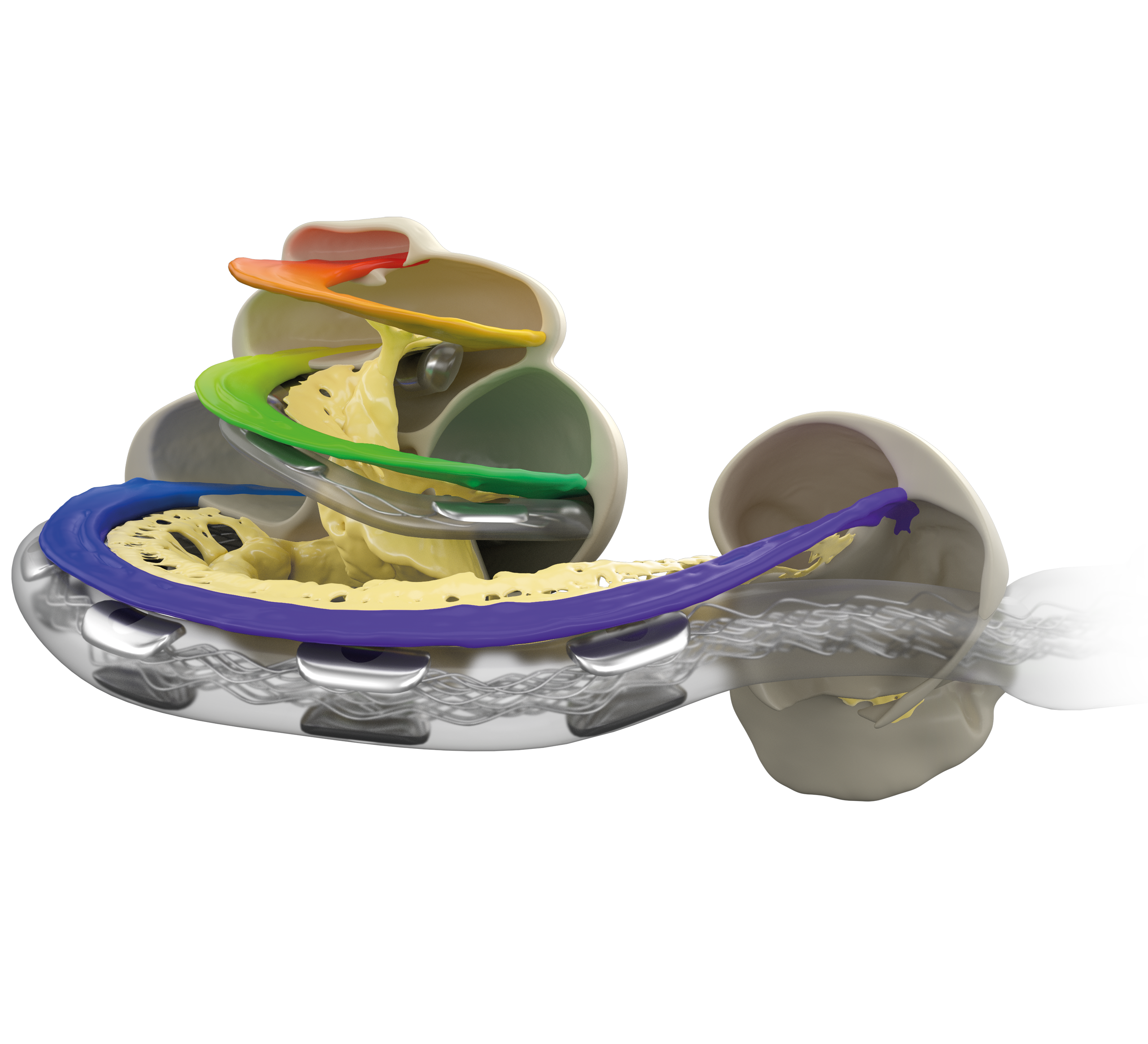
Practical hearing‑implant insights for your ENT or Audiology practice.
Stay up to date with clear information on candidacy basics, real‑world patient stories, and relevant updates from the field of cochlear and other hearing implants.
Our newsletter keeps you informed about trends in hearing implantology that are relevant for your daily work.