







Frequently Asked Questions
There is no upper age limit for hearing implantation. Cochlear implantation is performed on children in their first year of life, in many countries bilaterally in one surgery. Very old patients without contraindications can also receive a cochlear implant. Please note the minimum age for children qualifying for a middle ear or bone conduction implant. (Minimum age for VIBRANT SOUNDBRIDGE, BONEBRIDGE: 5 years).
Cochlear implant surgeries are among the safest, least risky ENT surgeries. Implant reliabilty is extremely high. The failure rate for medical reasons is at 0.5%, according to a long-term study. Manufacturers publish precise product reliabilty rates on their websites. In certain cases hearing implant surgery can be done under local anesthesia. A study on this topic can be found here.
Thanks to better surgical methods and structure-preserving electrodes, residual hearing can be preserved more often and better after cochlear implantation. Better speech understanding in noise and better music appreciation are two key benefits for patients, as studies show.
The benefits of hearing implants differ from person to person. Most adult implant users with progressive hearing loss reach open-set speech understanding, even in background noise, they can use the telephone and enjoy a higher quality of life. There are plenty of publications on the broad topic of hearing implant benefits. Hearpeers Mentors are happy to share their personal benefits with your patients.
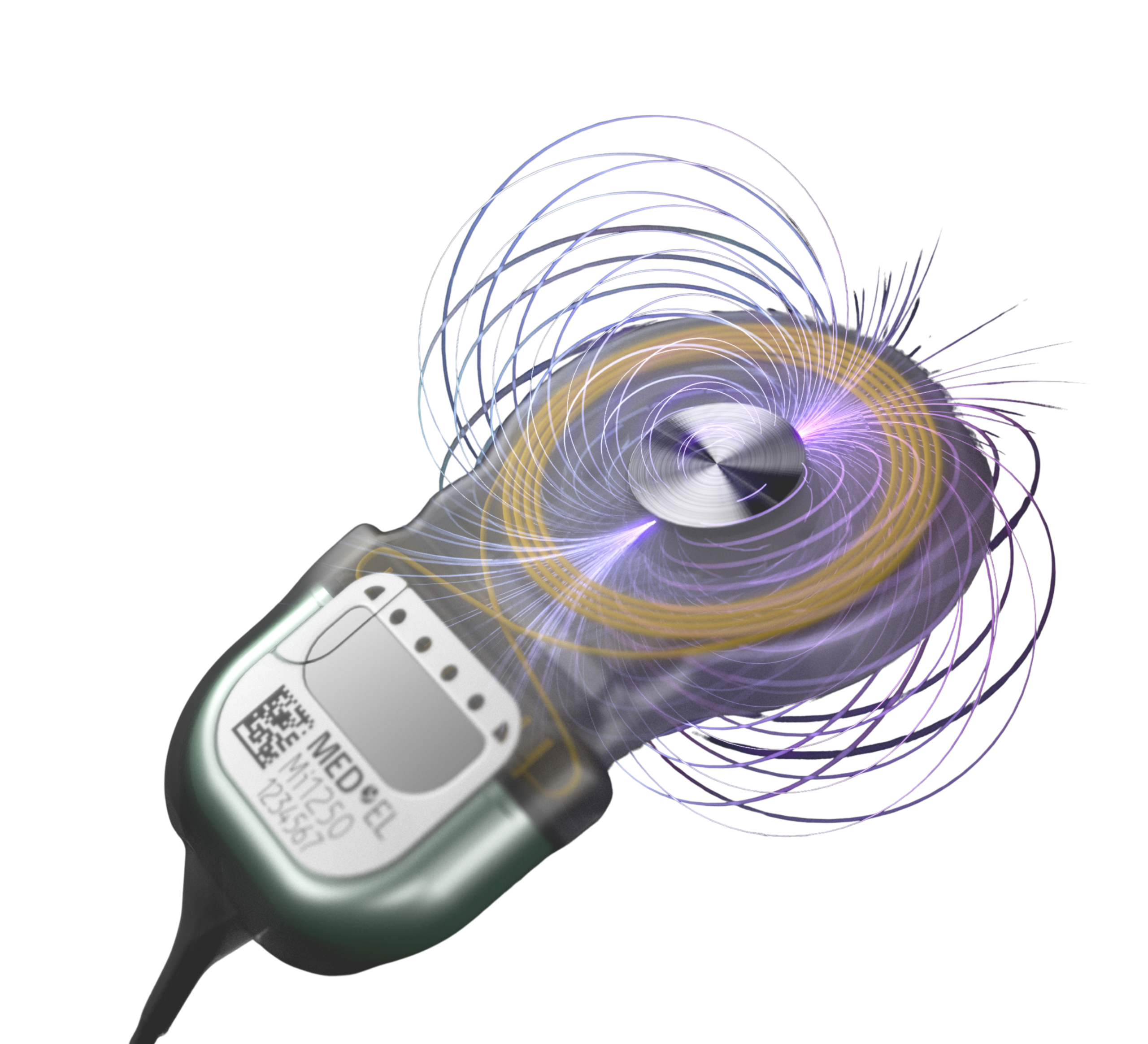
With all MED-EL cochlear implants patients can have a 1.5 Tesla MRI*. With the latest generation of SYNCHRONY Cochlear Implants, MRI scans of up to 3 Tesla* are possible without magnet removal**. Studies have shown that 3 Tesla MRI can be performed safely with or without sedation even on small children.[i] * MED-EL cochlear implants since 1994 are MR conditional. Recipients with a MED-EL cochlear implant may be safely MRI scanned following the conditions detailed in the instructions for use. ** Unless required for diagnostic reasons. (1) Young et al (2020) (2) Young et al (2020)
Practical hearing‑implant insights for your ENT or Audiology practice.
Stay up to date with clear information on candidacy basics, real‑world patient stories, and relevant updates from the field of cochlear and other hearing implants.
Our newsletter keeps you informed about trends in hearing implantology that are relevant for your daily work.
Information about MED-EL’s privacy policy can be found here.